
Dreams Reclaimed from Expectations
The Life ListThe novel contrasts Brett’s teenage ambitions with the adult compromises that suppressed them, asking whether remembered dreams can guide a life without dictating it.
increasing Bearing strength in each event
 decreasing
Bearing strength in each eventdecreasingA List in the Wastebasket
A Teenager’s Map
Ambitions recorded
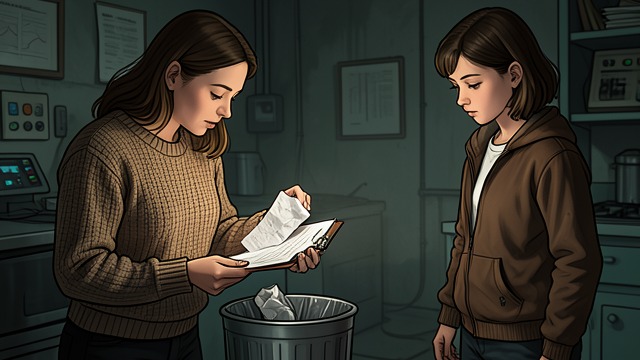
Brett writes a list of twenty wishes, including children, a dog, teaching, performance, friendship, and a good relationship with her father. After a painful disappointment involving Charles, she discards the page.
Elizabeth preserves it
Elizabeth retrieves the paper and keeps it for years, marking goals off as Brett completes them. The saved list becomes evidence of a younger self Brett has forgotten rather than a set of instructions she consciously chose as an adult.
Dreams Called Foolish

A Loss of Confidence
Rejection takes hold
After Charles fails to appear for an outing, young Brett tells Elizabeth that dreams are for fools. Her childhood disappointment begins to harden into a rule that wanting things only creates the chance to be let down.
Growing around fear
As she grows older, Brett abandons performance and teaching ambitions and chooses a life aligned with a partner’s preferences. The list’s survival makes this gradual exchange of dreams for security visible.
The List Becomes a Demand

Childhood Goals Reappear
Resistance
Brad explains that Brett must pursue the ten remaining goals to receive her inheritance. Brett objects that the goals belonged to a fourteen-year-old and may no longer reflect her adult identity.
A question of continuity
Elizabeth’s plan assumes that the goals preserve something essential in Brett. The conflict is not simply whether Brett will obey, but whether adulthood has required her to abandon desires that still matter.
Goals Reinterpreted

Not a Literal Blueprint
Attempts reveal meaning
Brett’s failed comedy performance still restores some of her old willingness to take risks. Her unsuccessful substitute assignment points her toward homebound teaching, where the underlying desire to teach becomes sustainable.
The route changes
The goals do not require a single conventional form of success. Their value lies in leading Brett toward capacities and relationships she had dismissed, even when the exact route differs from what her younger self imagined.
A Life Beyond Completion

The List Loses Its Power
A choice left open
Brett refuses to count Austin’s love as a substitute for romantic love merely to finish the list. She also stops treating the inheritance as the measure of whether her life is secure.
The dreams remain hers
By the end, Brett understands that childhood dreams can illuminate a neglected self without governing every adult decision. She chooses to continue her life honestly, whether or not every goal is completed on schedule.
When Elizabeth first discovers the list, years before the novel
When Brett is fourteen
At the September estate meeting
From the comedy performance through Brett’s teaching work
At the final birthday gathering
